

.svg)
META: How Malawi's road conditions affect brake pad wear, the warning signs every driver must recognise, and when to replace rather than wait. | KEYWORDS: brake pads Malawi, when to replace brakes Malawi, brake service Malawi, car brakes Malawi, brake repair Malawi
Brakes are the single most safety-critical system on any vehicle. On Malawi's roads — where emergency stops are frequently required for animals, pedestrians, sudden road deterioration, and other vehicles — the margin between adequate braking performance and inadequate braking performance is the margin between avoiding an accident and not. This is not a maintenance area where a wait-and-see approach is acceptable.
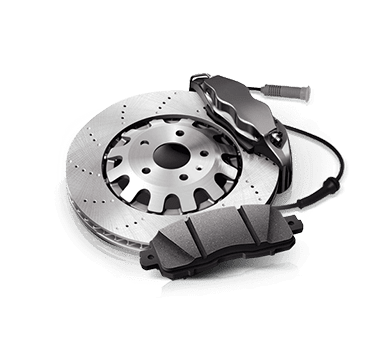
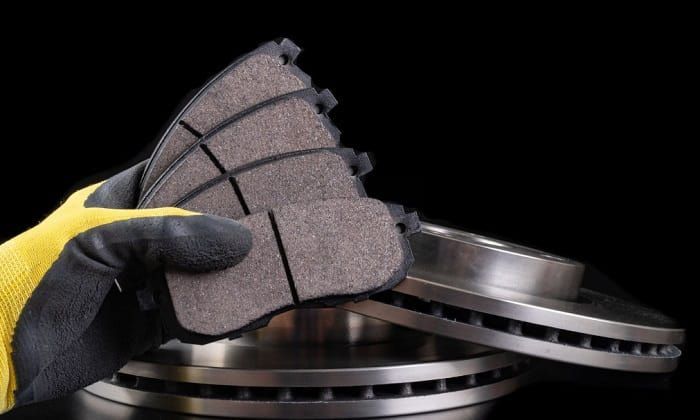
In normal operating conditions in milder road environments, brake pads may last 40,000 to 60,000 km. On Malawi's roads, 20,000 to 30,000 km is more typical for front pads, with rear pads lasting longer. The accelerated wear is caused by the frequency of braking on rough surfaces, the additional use of brakes to control speed on deteriorated roads, dust contamination that acts as an abrasive between pad and disc, and the additional vehicle weight from overloading that increases the braking force required.
Squealing or Screeching
Most brake pads include a wear indicator — a small metal tab that contacts the disc when pad thickness drops to the minimum safe level, producing a high-pitched squealing sound. If your brakes are squealing, this is not a noise to investigate later. It is the indicator system doing exactly what it was designed to do.
Grinding
If squealing is ignored and the pad wears through completely, the metal backing plate contacts the disc directly. The resulting grinding sound indicates that disc damage is occurring — the repair has now escalated from pad replacement to pad and disc replacement, doubling the cost.
Vibration or Pulsing When Braking
If the brake pedal vibrates or pulses under braking, the brake discs are likely warped — a common result of brake pad overheating on steep or heavily loaded Malawian routes. Warped discs cannot be restored to proper function through bedding-in; they require machining or replacement.
Longer Stopping Distances
If you notice that your vehicle is taking longer to stop than it used to from the same speed and pedal pressure, braking performance has degraded. This is the most dangerous warning sign because it is the most likely to be rationalised as normal variation rather than identified as a maintenance signal.
Have brake pad thickness measured every 10,000 km. Replace pads when thickness reaches 3mm or below — do not wait for the wear indicator. In heavy-use applications — taxis, delivery vehicles, vehicles with frequent full-load operation — inspect every 7,500 km.
Agason Motors stocks brake pads and brake system components for the full range of vehicles operating in Malawi. Our workshop can inspect, diagnose, and replace braking system components with genuine parts.
Don't compromise on braking. Get your brakes checked at agasonmotors.com | WhatsApp Us | agasonmotorsmw@gmail.com


Free Delivery on orders above 100,000 within blantyre, Free Delivery on orders above 300,000 nationwide

Safe shopping guaranteed Protected via Pawapay

We are always ready to support you

Pay for purchases securely with a choice of convenient methods