



.svg)

META: An honest assessment of Malawi's engineering and manufacturing sector — its decline, its remaining strengths, and what recovery would realistically require. | KEYWORDS: manufacturing Malawi, engineering industry Malawi, Malawi industrial development, Malawi manufacturing decline, engineering sector Malawi
Malawi's manufacturing sector contributes less than 14 percent of GDP, down from a peak of approximately 20 percent in the 1990s. This is not a natural trajectory. It is the result of specific choices, specific structural failures, and specific investment decisions — including decisions not made — over three decades. Understanding what went wrong is the prerequisite to building what should come next.
In the 1970s and 1980s, Malawi had a functioning, if limited, manufacturing base. Textile production, tobacco processing, sugar refining, cement, and light engineering were all active. The companies operating in these sectors employed significant workforces, created supply chains, developed technical skills, and contributed to a more diversified economic base than Malawi has today.
Trade Liberalisation Without Industrial Policy
The structural adjustment programmes of the late 1980s and 1990s opened Malawi's economy to imported manufactured goods without the accompanying industrial policy that would have supported domestic manufacturing through the transition. Malawian manufacturers, operating in an environment of unreliable power, constrained finance, and high infrastructure costs, could not compete on price with imports that faced none of those constraints.
Power Infrastructure Failure
Manufacturing requires reliable, affordable electricity. Malawi's power sector has been unable to provide this consistently. ESCOM's load-shedding has been a permanent feature of the operating environment for manufacturing businesses — a cost that competitors in countries with better power infrastructure do not bear.
Skills Depletion
The artisan and technical skills base that manufacturing depends on has eroded through emigration, inadequate TVET investment, and the loss of manufacturing employers who previously provided on-the-job training.
There is no single intervention that reverses manufacturing decline. Recovery requires a combination of policy stability, infrastructure improvement (power and roads), financing accessibility for manufacturing investment, skills development, and the survival and growth of the companies that have maintained manufacturing capability through the difficult decades.
The Special Economic Zones Act and Investment and Export Promotion Act of 2024 represent policy intent. The test is whether implementation follows — whether the zones are developed, the incentives are accessible, and the infrastructure that manufacturing needs is actually delivered.
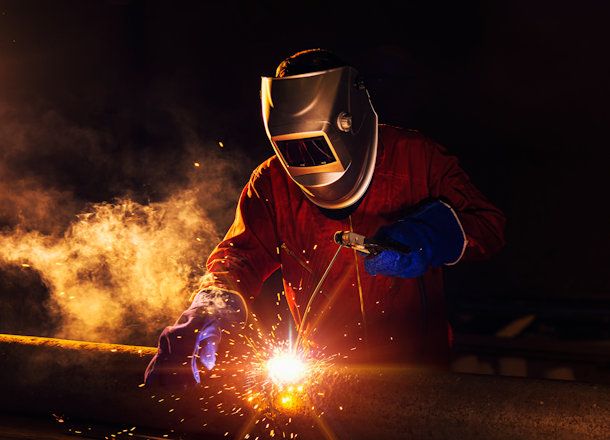
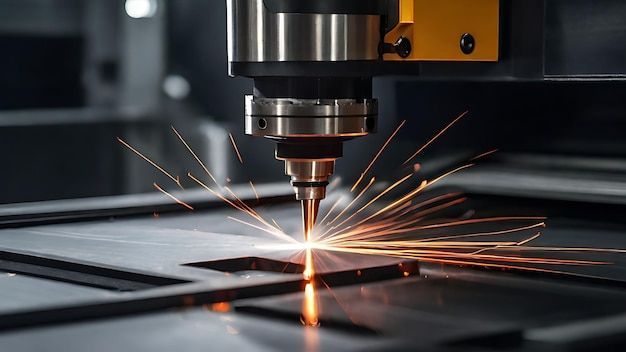
Agason Motors has maintained manufacturing and precision engineering capability in Malawi for over 60 years — through the difficult decades as well as the better ones. We manufacture agricultural machinery. We operate a precision engineering workshop. We train and retain technical staff. We are a small example of what the industrial sector can look like when it is maintained with long-term commitment rather than short-term calculation.
We believe in Malawi's industrial future. And we are building toward it.
Partner with Malawi's engineering company for the long term. agasonmotors.com | WhatsApp Us | agasonmotorsmw@gmail.com


Free Delivery on orders above 100,000 within blantyre, Free Delivery on orders above 300,000 nationwide

Safe shopping guaranteed Protected via Pawapay

We are always ready to support you

Pay for purchases securely with a choice of convenient methods