.svg)
META: A practical guide to starting a profitable maize milling business in Malawi — equipment, location, costs, licensing, and a free profit calculator. | KEYWORDS: start maize milling business Malawi, maize mill Malawi, maize mill profit Malawi, maize milling business plan Malawi, maize mill investment Malawi
Maize milling is one of the most accessible and consistently profitable business opportunities in Malawi. The demand is guaranteed — maize meal is the staple food of the majority of the population, and every community needs milling services year-round, not just seasonally. The business model is simple: buy or install a mill, charge per kilogram or bag milled, maintain the equipment, build a loyal customer base. Done correctly, a well-positioned maize mill can achieve full return on investment within 12 to 24 months.
This guide covers everything you need to launch and run a profitable maize milling operation.
The most important decision in maize milling is location. A mill in the right location with moderate equipment will outperform a mill with better equipment in the wrong location every time. Assess: the population within 3 to 5 km of your intended site, the number of competing mills within that radius and their current utilisation, access to the site for vehicles delivering maize in bulk, and availability of power — grid power or diesel engine capability.
The best locations combine high residential density or agricultural activity, limited existing milling competition, and good road access. Rural trading centre locations are frequently excellent — high foot traffic, central to farming communities, often underserved by existing milling capacity.
Hammer Mill vs Roller Mill
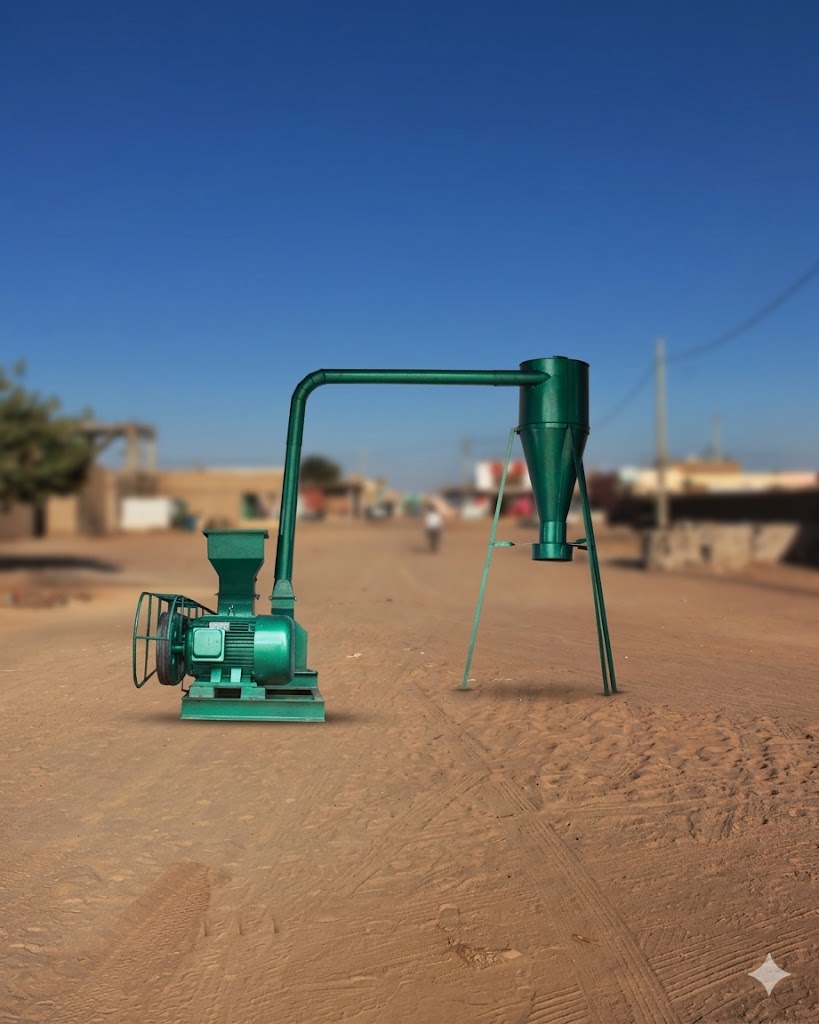
Hammer mills are the most common small to medium scale milling equipment in Malawi. They are simpler to operate and maintain, lower in initial cost, and capable of processing maize into the flour grades most commonly demanded by Malawian consumers. Roller mills produce a higher-quality, more consistent flour and are more efficient for high-volume commercial production but have a significantly higher equipment cost and require more technical expertise to maintain.
Capacity Selection
Mill capacity is typically rated in kilograms per hour. For a community-serving operation processing primarily household quantities, a capacity of 300 to 500 kg/hour is appropriate. For a commercial operation targeting bulk processing contracts or serving a large urban area, 1,000 kg/hour or above is required. Do not undersize — a mill that cannot process customers' maize within a reasonable waiting time loses customers permanently.
Power Source
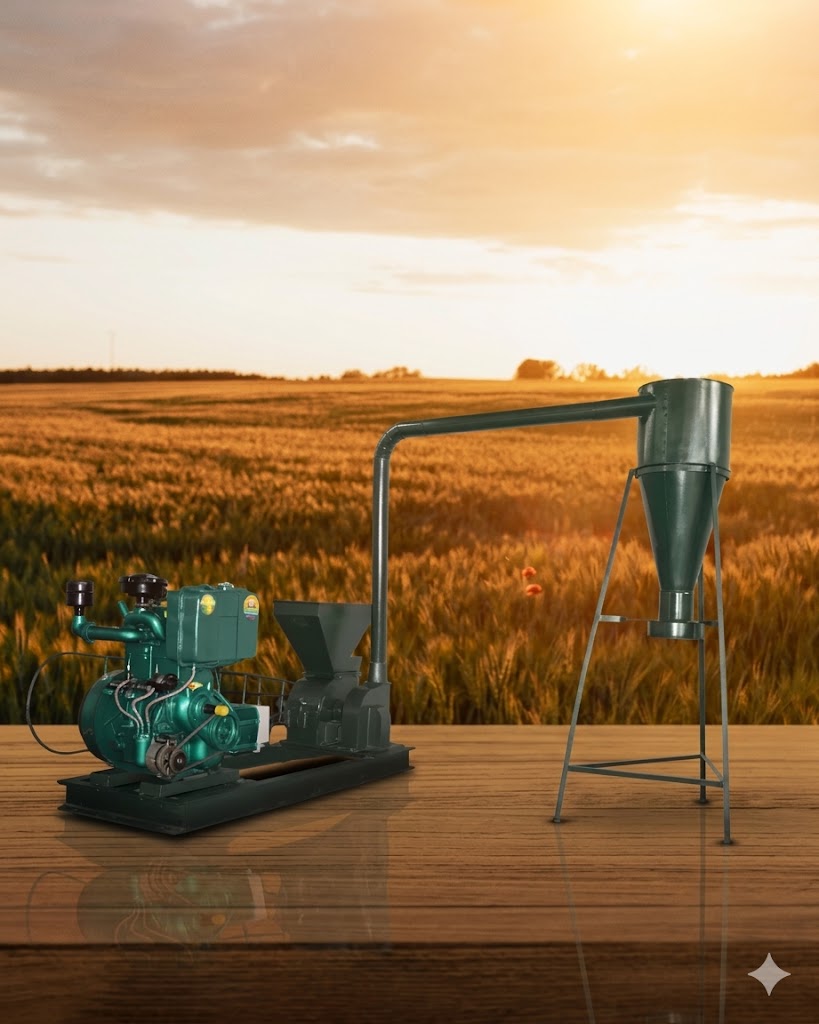
Grid-powered electric mills have lower operating costs than diesel-powered units but are dependent on reliable electricity supply. In areas with frequent load shedding, a diesel engine drive is more reliable for maintaining customer service continuity. Many successful operations use an electric motor as primary drive with a diesel engine backup.
In Malawi, a maize milling operation requires a business registration with the Registrar General, a trading licence from the relevant local council, and compliance with applicable health and food safety regulations. If processing for commercial resale (branded flour), registration with the Malawi Bureau of Standards and compliance with MBS flour standards is required. Consult your district business development services office for current specific requirements.
Key investment items include: mill equipment and installation, building or site preparation, power connection or diesel engine, initial working capital for fuel, maintenance, and operating expenses during the establishment period, and licensing and registration costs. Operating costs include labour, power or fuel, routine maintenance, and eventual parts replacement.
🎁 FREE RESOURCE: Maize Mill Income, Expense & Profit Calculator — Free Excel Download
Enter your milling rate, daily throughput, fuel/power cost, labour cost, and loan repayment — the calculator projects your monthly and annual profit, break-even timeline, and return on investment automatically. Download free at agasonmotors.com/free-resources →
A maize mill that is not running is not a business — it is a liability. Establish a maintenance routine from the first day of operation: weekly inspection of all bearings and seals, monthly check of all belts and drive components, quarterly professional service of the engine or motor. Stock the fast-wear consumables — belts, bearings, screen plates — so that minor failures are repaired immediately rather than waiting for parts.
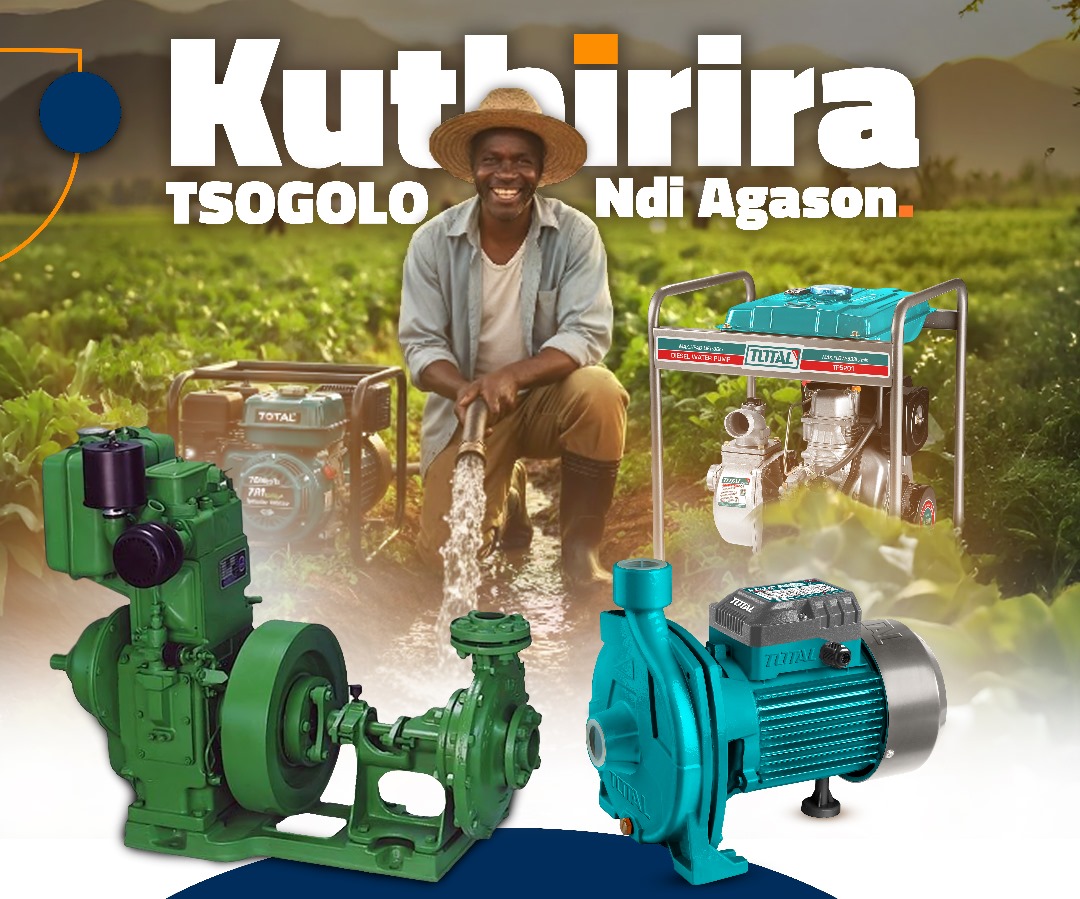
Agason Motors manufactures and supplies maize mill equipment across Malawi. We also stock the spare parts and service consumables to keep mills running, and our workshop can service, repair, and rebuild mill equipment.
Start your milling business with the right equipment partner. agasonmotors.com | WhatsApp Us | agasonmotorsmw@gmail.com


Free Delivery on orders above 100,000 within blantyre, Free Delivery on orders above 300,000 nationwide

Safe shopping guaranteed Protected via Pawapay

We are always ready to support you

Pay for purchases securely with a choice of convenient methods